Energy efficient stories
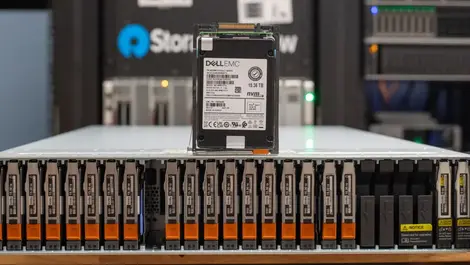
Dell boosts PowerStore with 30TB QLC drives, metro sync replication and new NFSv4.2 features to pack in more data and harden resilience.
Siemens and Nvidia are deepening ties to build an “industrial AI operating system” spanning design, factories and global supply chains.
Australia bets on AI-ready data centres and resilient networks as five emerging tech shifts redefine its digital competitiveness by 2026.
HPE targets always-on retail with new Aruba switches, Mist AIOps analytics and boosted Nonstop systems for high-pressure transactions.
Data centres can't PR their way out of scrutiny; only clear, consistent brands will rebuild trust in power-hungry infrastructure.
Microsoft tops rivals for weaving nature restoration into European data centres, but report warns sector lags as AI power demand surges.
BCS Consultancy names Chris Coward COO to steer global expansion and sharpen operations as AI-driven data centre demand accelerates.
AI, IoT and automation are transforming cold chain logistics as stricter rules, pharma growth and online groceries drive rapid change.
LoRaWAN tops 125 million IoT devices worldwide as deployments accelerate, with leading networks seeing annual growth of up to 50%.
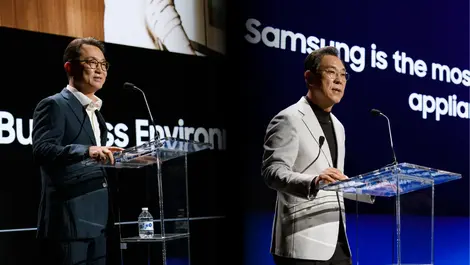
Samsung has unveiled an AI-powered Home Companion, linking Bespoke AI appliances, TVs and mobiles in a unified SmartThings ecosystem.
Zyxel Networks has unveiled its GS1200v3 smart switches, promising quiet, greener gigabit networking for expanding home offices and SMBs.
The province's incubators commit to nine early-stage tech projects in mining, agtech, health and logistics to drive innovation.
StarHub secures its first CDP 'A' climate rating, as energy, renewables and supply chain reforms sharpen its decarbonisation strategy.
Vespertec says AI growth will slam into hard data centre limits by 2026, as chip, memory and cooling bottlenecks reshape infrastructure plans.
NBN cuts network energy use by 25 GWh two years early as fibre upgrades, wireless tweaks and cable switch-offs drive efficiency gains.
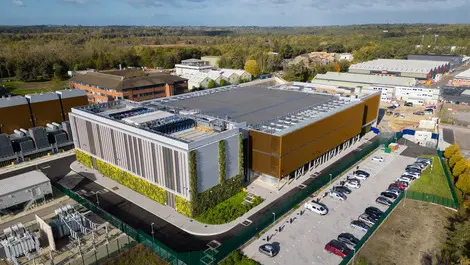
Ark has begun building a Surrey data centre billed as the UK's first dedicated AI power hub, featuring a 25MVA medium-voltage UPS.
Westcon-Comstor deploys Europe-wide energy management platform with ecoDriver and Powercor to cut emissions and hit 2050 net-zero goals.
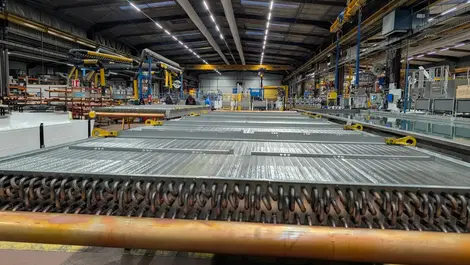
LFB's data centre arm is investing millions in Lyon R&D and factories to ramp up advanced cooling for Europe's AI-fuelled server boom.
NBN taps Queensland solar farm to complete energy deals and power its broadband network with 100% renewable electricity from late 2025.
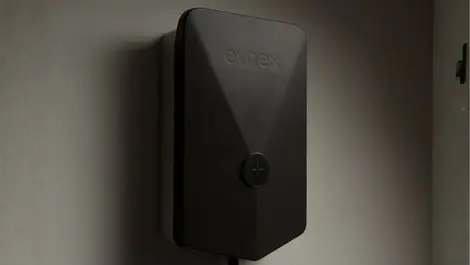
Evnex unveils the locally made E2 Flex smart charger at NZD $799, targeting budget EV owners as home charging demand and battery sizes grow.